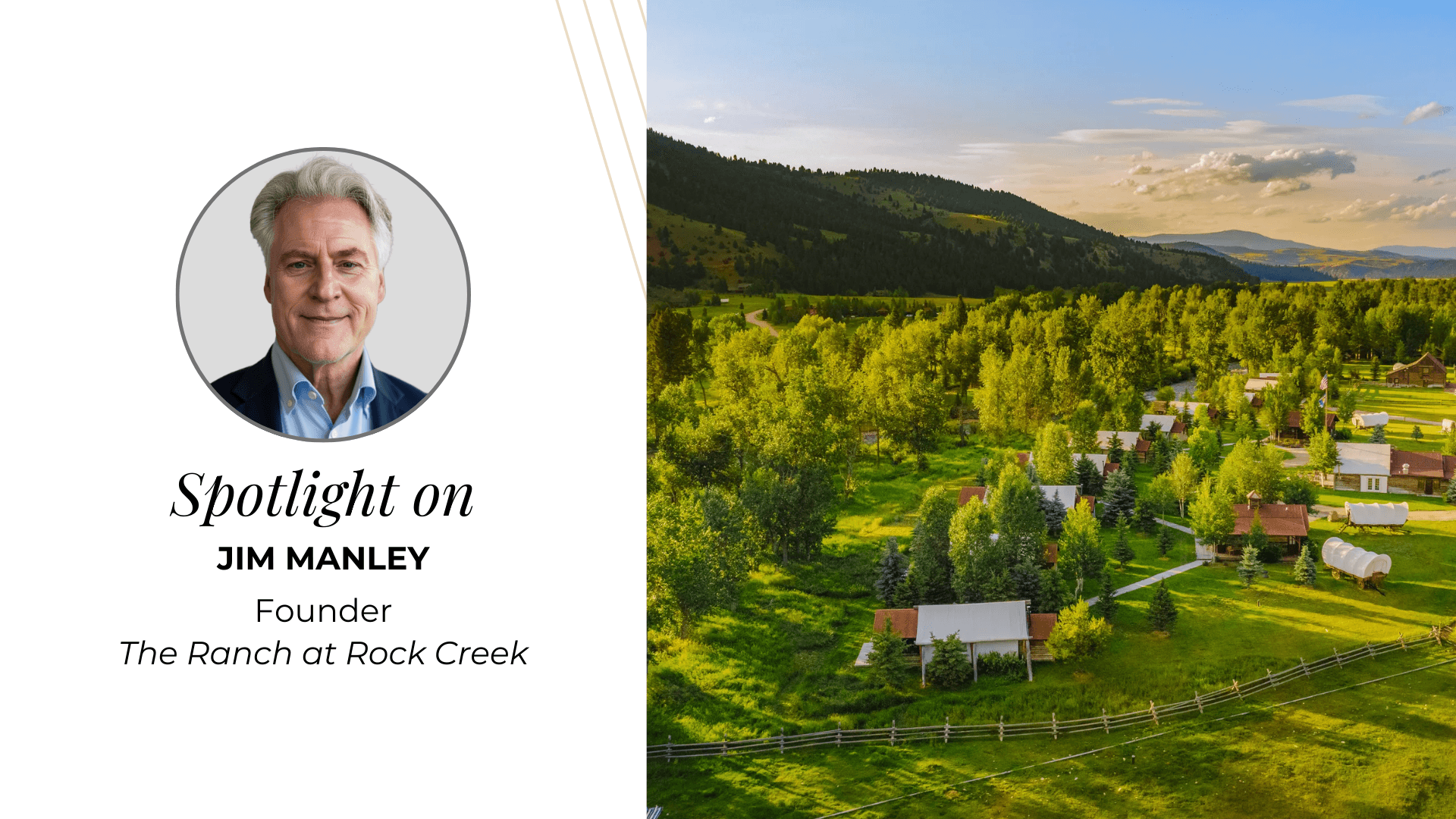
In Person with Jim Manley, Founder of The Ranch at Rock Creek
Interviewed by Peter Kressaty, Chief Commercial Officer, LWHA
At the International Luxury Hotel Association’s in-person conference at Resorts World Las Vegas, Peter Kressaty sat down with Jim Manley, the visionary founder of The Ranch at Rock Creek in Philipsburg, Montana. The discussion explored Manley’s unconventional path from banking to hospitality and how his childhood dream evolved into one of the most exclusive resorts in the Americas.
From Childhood Dream to Luxury Ranch
Manley’s journey began with a simple childhood aspiration.
“As a little kid, 10 years old, a lot of 10-year-olds want to be a cowboy… I said, ‘That’s what I want. I don’t want to stay in New Jersey. I want to be on a ranch.’”
Although he built a successful career in banking, Manley never abandoned that vision. At age 33, once he had the resources, he began searching for the perfect property, a process that took two decades.
“It took 20 years of looking… I wanted the ultimate trophy ranch.”
When the property that would become The Ranch at Rock Creek finally came on the market, he purchased it immediately.
“I saw the day it got on the market and I bought it that day because I knew it was a gem.”
The Perfect Ranch
Manley had a highly specific vision. He created a checklist of ten criteria that ranch brokers and environmental experts believed could not exist in one place.
The ranch ultimately met all of them, including snow-capped mountains, a pristine valley, a river running through the property, nearby skiing, abundant wildlife, and seclusion from development.
“Every ranch broker or environmentalist said those ten things do not exist in any one spot. But finally this ranch had all ten.”
Today, the ranch spans 10 square miles (6,600 acres) in southwestern Montana.
A Different Approach to Luxury
Initially purchased as a personal retreat, the ranch was expensive to maintain privately. Manley realized turning it into a hospitality business was the only way to preserve it for his family.
Rather than following traditional hotel revenue models, he reversed the process and designed the resort around what guests actually want.
“I decided I would reverse engineer it… create a resort not what a hospitality company would want, but what the consumer would want.”
One major decision was to make the ranch fully inclusive, a concept many advisors discouraged.
“The way you make money is you charge a reasonable amount for the room and then hit them up with extras,” he was told.
But Manley rejected that model because he disliked hidden costs as a traveler.
“As a consumer, I hated that. I hated being nickel and dimed.”
Instead, the ranch includes virtually everything in the price, taxes, tips, airport transfers, meals, and activities.
“We are still the very first fully inclusive resort… meaning everything, taxes, tips, pickup at the airport, every guided activity.”
It took five years of losses before the concept proved successful.
“We suffered five years of losses, but then we went cash flow positive in January of 2015.”
Experiential Travel Before It Was a Trend
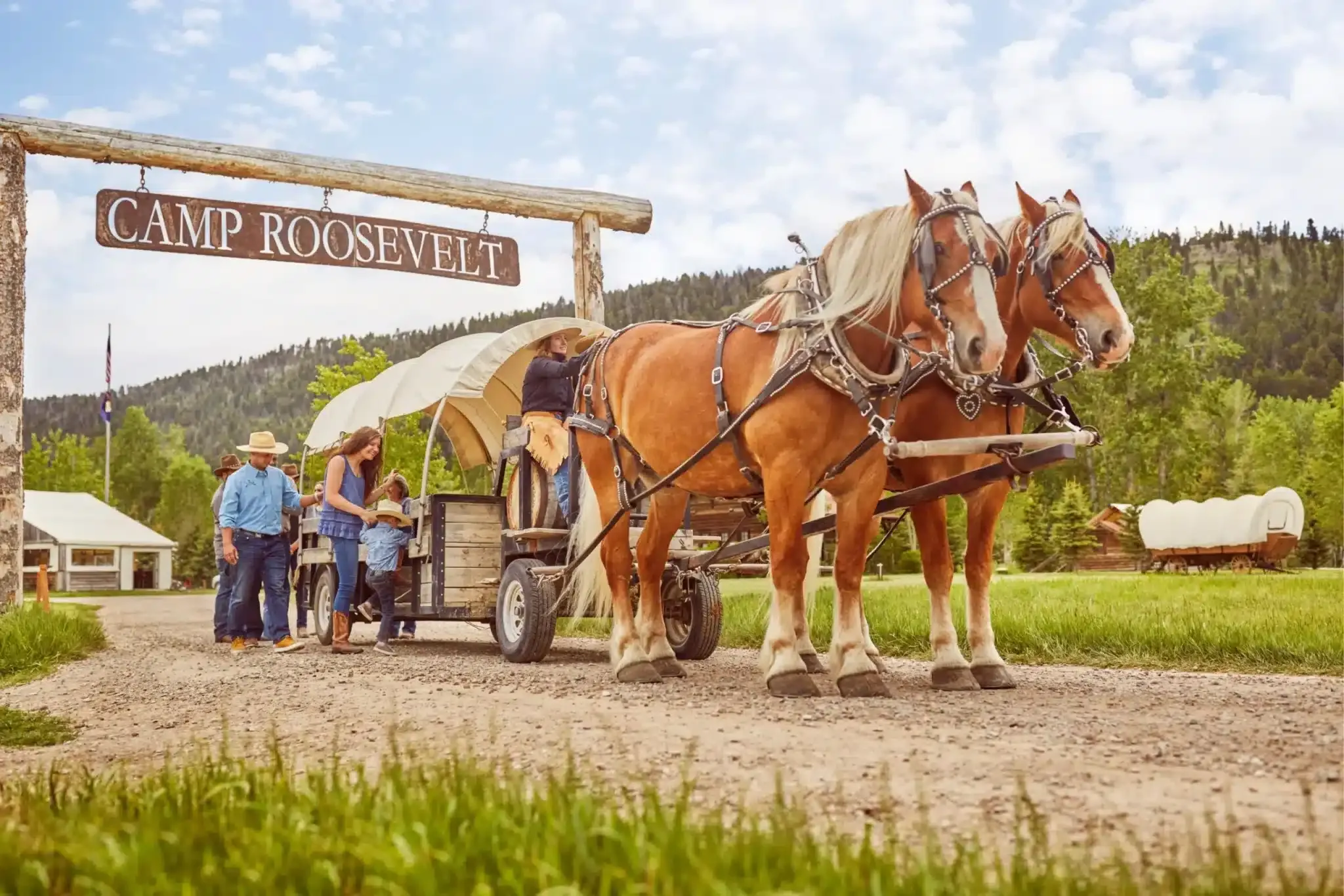
The Ranch at Rock Creek offers more than 40 activities, ranging from horseback riding and fly fishing to archery, shooting, snowmobiling, and ice skating.
Manley intentionally designed the experience to be active rather than passive.
“I thought sitting around a pool and having a drink was very boring.”
He describes the concept as a return to the excitement of childhood camps.
“I wanted to create something that was like a camp when you were 15.”
A Landmark Achievement in Luxury Hospitality
Despite unconventional accommodations, including luxury glamping tents, the ranch earned Forbes Travel Guide Five-Star status, becoming the first property of its kind to achieve the rating.
“To this day, we’re still the only Forbes Five-Star ranch in the world.”
The recognition highlighted how modern luxury hospitality is increasingly defined by service and experience, not just physical amenities.
Preserving the Ranch for Generations
Although many investors have encouraged Manley to expand the concept, he has refused.
“People always say, ‘Do you want to expand the brand?’ And I said, ‘No, I really don’t.’”
Instead, the ranch has been placed in a trust with a long-term vision.
“It’s in the will that it can never be sold.”
For Manley, the ranch is more than a business.
“I really look at it like a child… the goal was to develop an incredible ranch that could last for generations.”
Sustainability and Stewardship
Manley emphasized the importance of protecting the land and maintaining the ranch’s authenticity as a working cattle operation.
“We try to be good stewards of the land.”
He noted that the property could have been subdivided into luxury lots worth hundreds of millions of dollars, but he chose preservation instead.
“You could divide this ranch into 31 lots and make $240 million… but it would ruin the whole effect.”
Helping Guests Truly Disconnect
Manley also described how the ranch environment quickly shifts guests into vacation mode.
“I find that doing activities totally changes people… it’s like a day and a half and they detach.”
He credits the fully inclusive model with helping guests relax.
“When you’re not signing constantly, there’s the illusion that you’re in my home.”
Featured Organizations